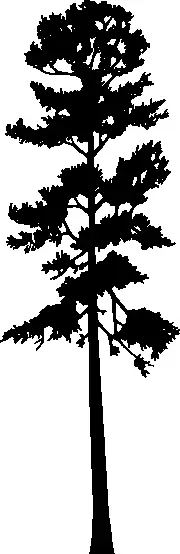
Ponderosa Pine
Pinus ponderosa
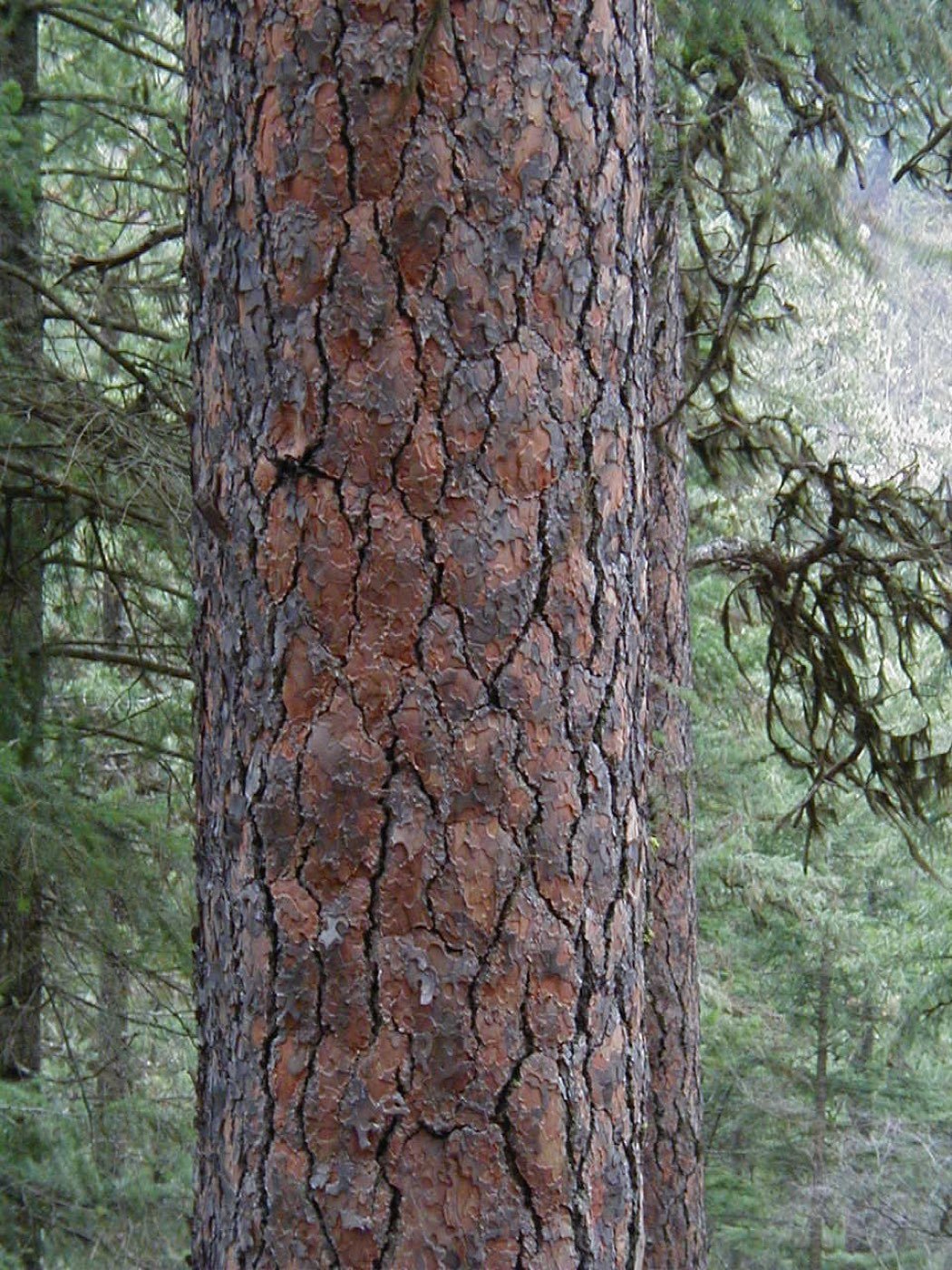
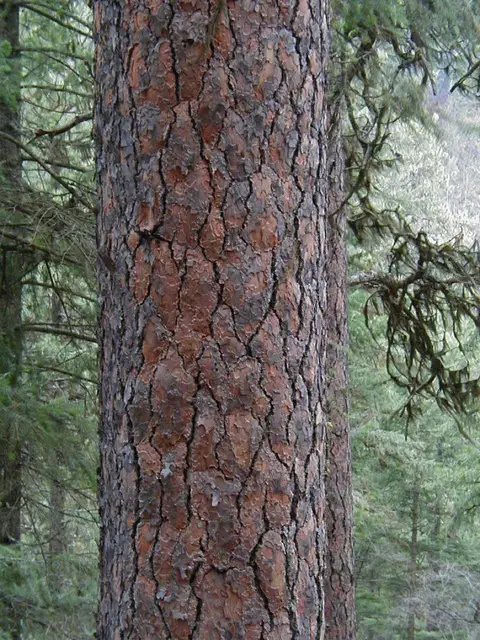
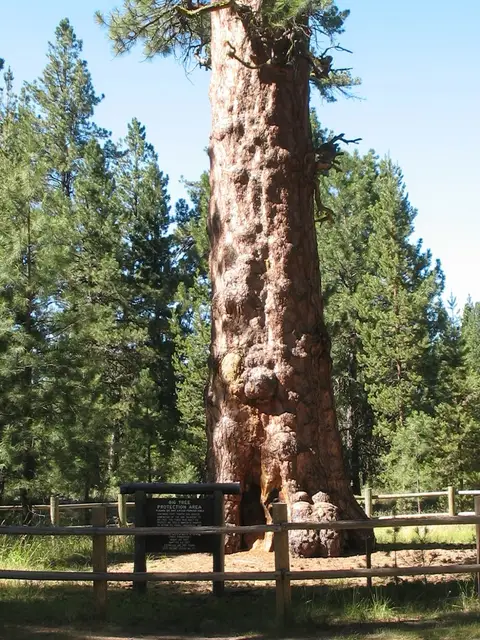
Named by David Douglas for its "ponderous" heavy wood, ponderosa pine dominates dry, fire-adapted forests with widely spaced, park-like stands. Mature bark splits into puzzle-piece plates that smell faintly of vanilla or butterscotch when warmed by the sun.
Where found
Dry, open, lower-to-mid elevation forests east of the Cascade crest and throughout the interior Pacific Northwest — the most widely distributed pine in North America.
Fun facts
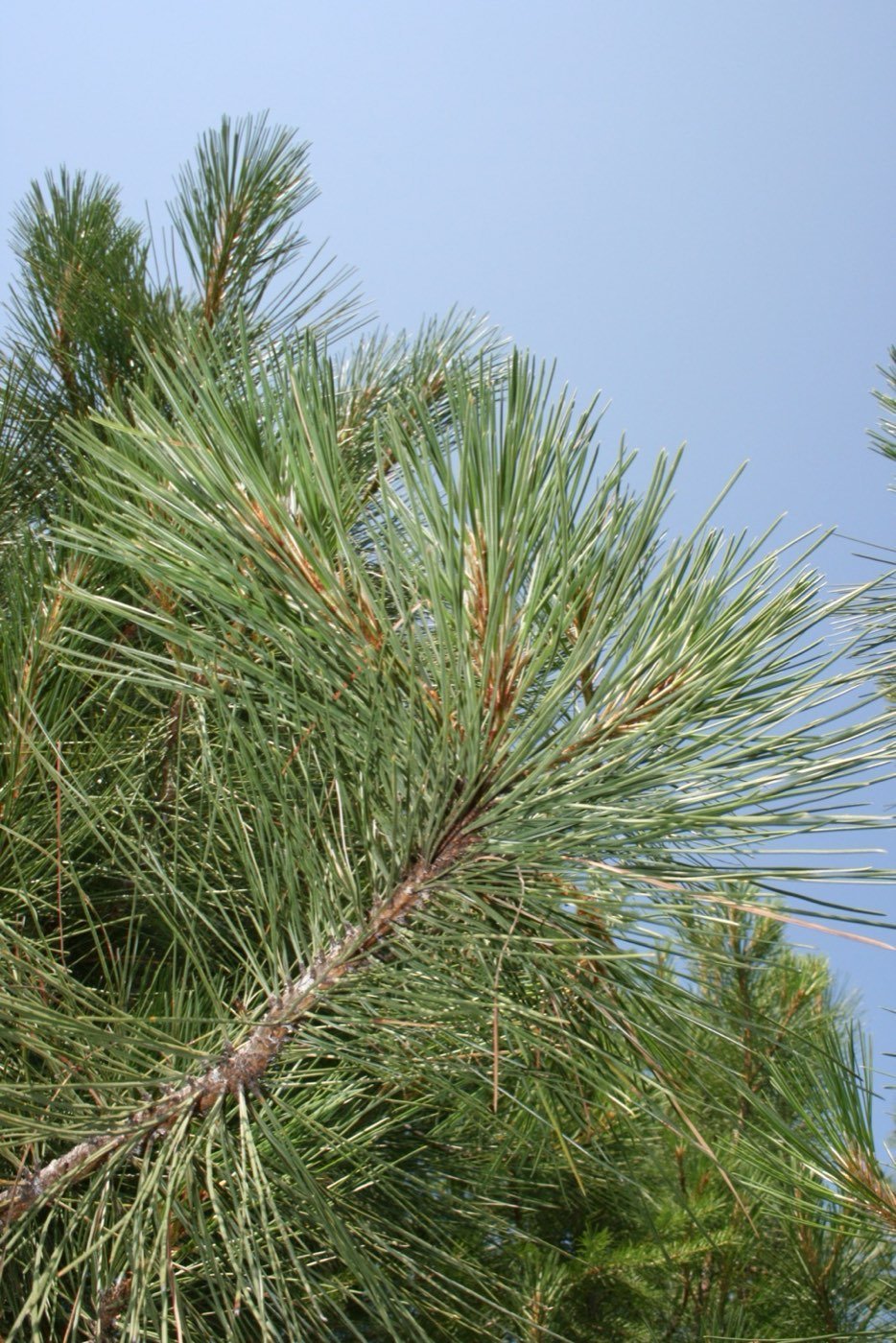
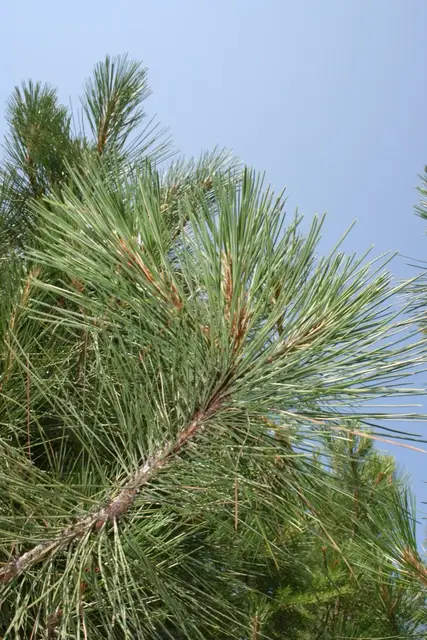
- Needles grow in bundles of three (occasionally two), each 5–10 inches long.
- Thick, fire-resistant bark helped mature stands survive centuries of low-intensity fire.
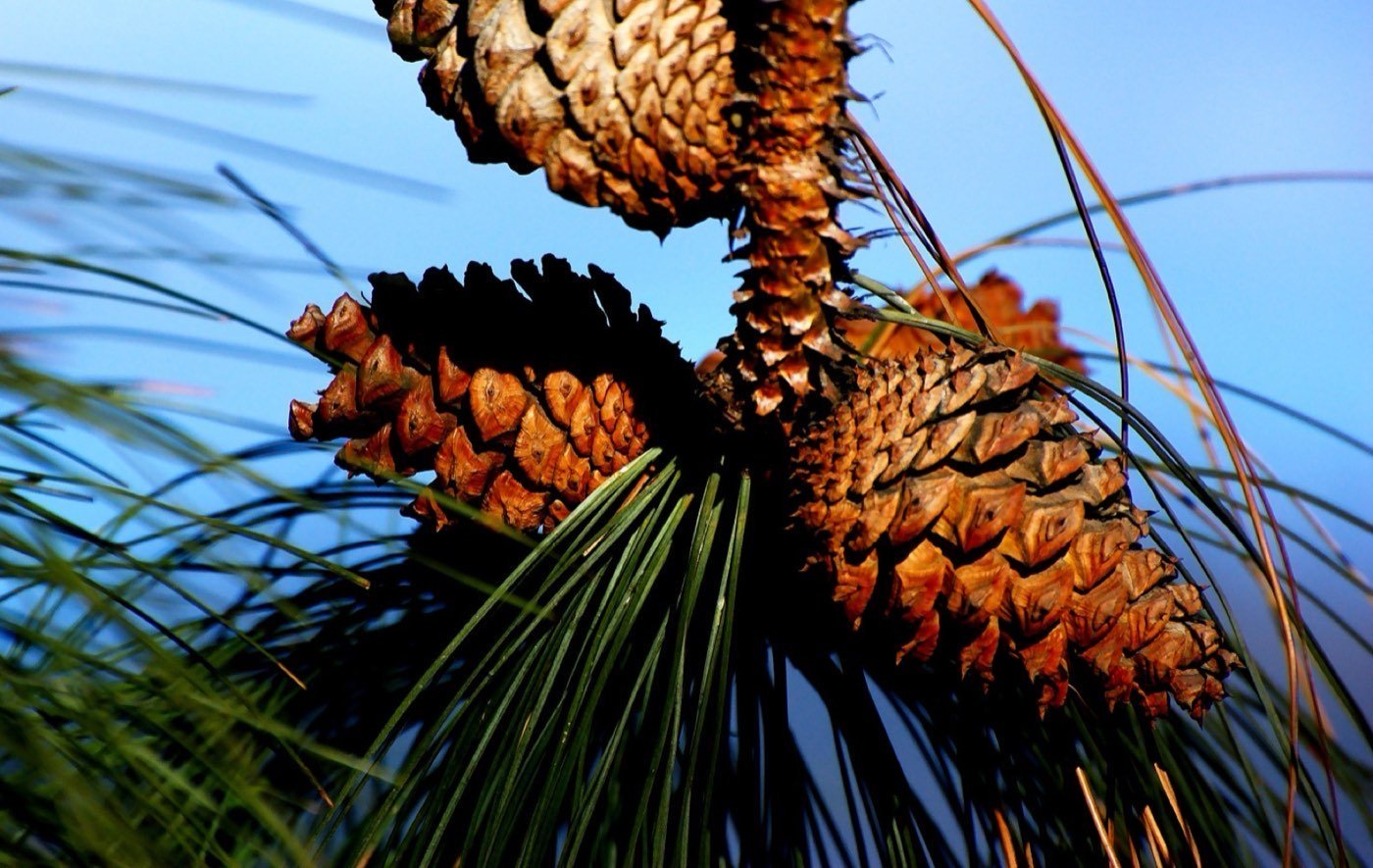
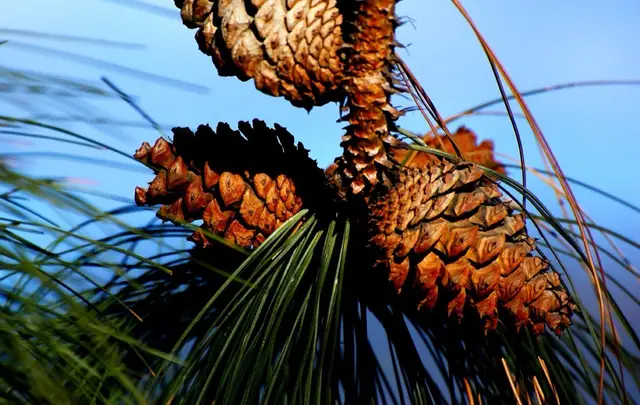
- Quail, nutcrackers, and chipmunks all rely on its seeds — chipmunks caching them helps the tree spread.
Specs
| Height | 30–55 m (up to 70+ m) |
|---|---|
| Spread | 8–12 m |
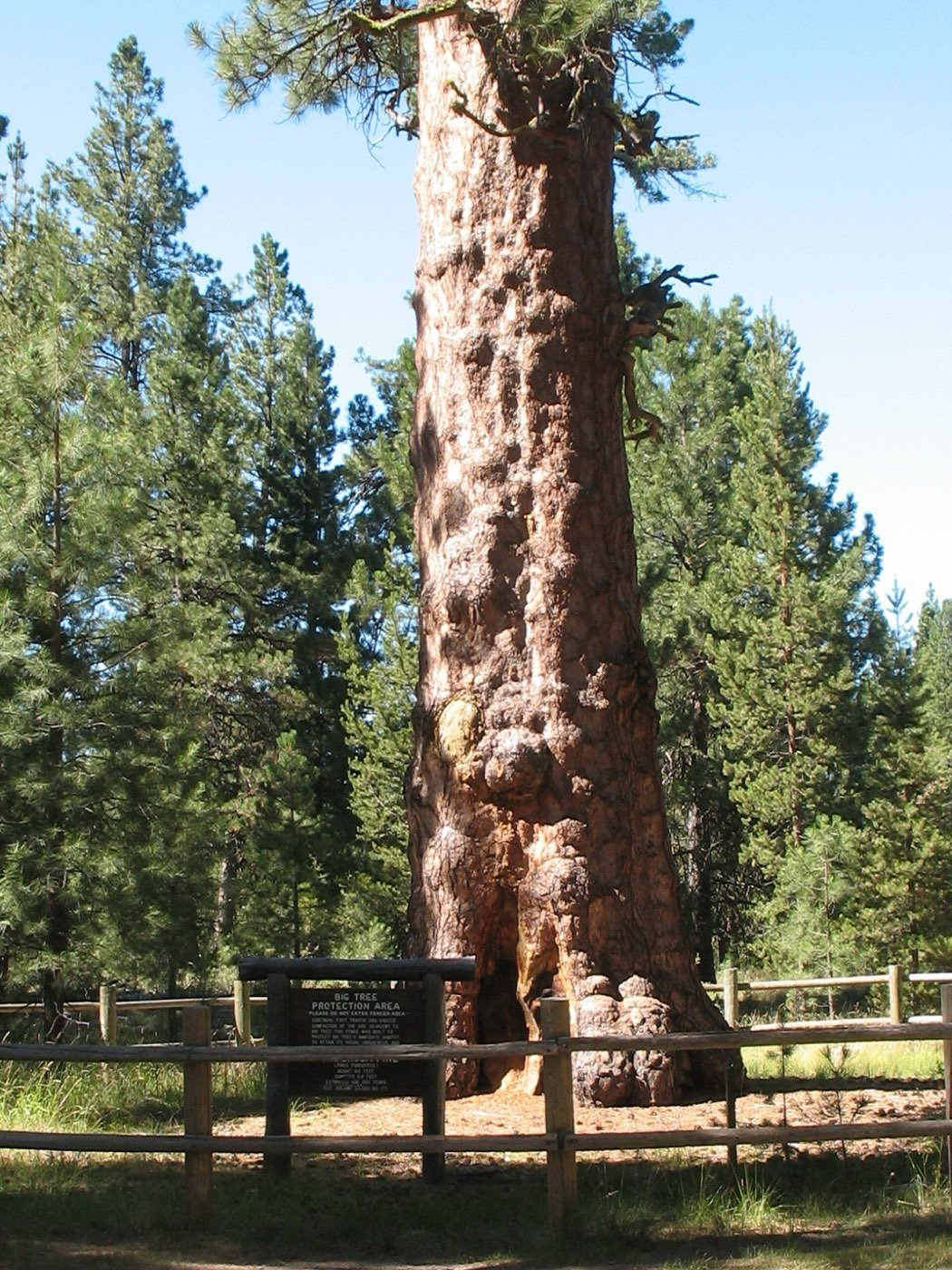
| Lifespan | 300–600 yrs |
| Growth Rate | Moderate |
| Sun | Full sun |
| Native Range | British Columbia to Mexico, east to the Rockies |